Rhinoplasty is widely recognized as one of the most refined and impactful procedures in facial plastic surgery. For many patients, it is an opportunity to improve the appearance of the nose while also addressing functional concerns that affect daily comfort and confidence. Whether pursued for cosmetic reasons, breathing improvement, or both, rhinoplasty allows patients to achieve balance and proportion while supporting healthy nasal breathing.
At Carolina Facial Plastics, rhinoplasty is approached as a highly individualized cosmetic procedure that respects nasal anatomy, facial features, and long-term function. Rather than focusing on trends, each procedure is designed around the patient’s unique goals and overall facial structure. Furthermore, patients benefit from results that appear natural and well-balanced.
Patients often seek rhinoplasty to refine the nose’s shape or correct a crooked nose that disrupts overall facial balance. In other cases, rhinoplasty is pursued to restore nasal structure after a broken nose or a birth defect, or to relieve breathing problems caused by a deviated septum or nasal trauma.
With advanced surgical planning and a keen aesthetic eye, rhinoplasty surgeons can achieve a natural appearing nose that enhances confidence while blending seamlessly with other facial features. With all of this in mind, understanding how rhinoplasty works and what it can accomplish is an important next step.
Understanding Rhinoplasty and Nasal Surgery
Rhinoplasty, often referred to as a nose job, is a specialized form of nasal surgery designed to improve both nasal form and nasal function. It may be performed to address cosmetic concerns, breathing problems, or as part of reconstructive surgery following trauma or prior surgery. Unlike more general cosmetic surgery, rhinoplasty requires a deep understanding of nasal anatomy, including the nasal bones, cartilage framework, nasal tip, and the internal structures that support airflow.
Rhinoplasty reshapes the nose to improve proportion, symmetry, and balance with the face, supporting a more harmonious overall appearance. At the same time, nasal surgery can address nasal valve collapse, nasal collapse, or a deviated septum that interferes with nasal breathing, enhancing both form and function.
Since the appearance and function are closely connected, many patients benefit from addressing both concerns during a single rhinoplasty procedure.
Cosmetic and Functional Goals of Rhinoplasty Surgery
Rhinoplasty surgery carefully balances aesthetic goals with structural stability. Cosmetic goals often include refining the nasal tip, smoothing a nasal hump, straightening a crooked nose, or adjusting the overall shape of the nose to better complement other facial features. Functional goals focus on improving breathing, restoring airflow, and strengthening nasal structure.
Patients experiencing nasal obstruction or breathing difficulties may experience congestion, sleep disruption, or reduced exercise tolerance. Rhinoplasty surgeons frequently incorporate septoplasty to correct a deviated septum, reinforce weakened cartilage, and support long-term nasal breathing. When performed thoughtfully, rhinoplasty results not only improve appearance but also enhance comfort and quality of life.
Candidacy for Facial Plastic Surgery
Rhinoplasty candidates are typically patients in good overall health with realistic expectations for outcomes. A detailed medical history and physical exam help determine whether rhinoplasty surgery is appropriate. Factors such as prior surgery, medication use, and smoking status are carefully reviewed to promote patient safety and successful healing.
Age is also an important consideration, as nasal growth must be complete before surgery. Patients who have undergone prior surgery or require reconstructive surgery may need more advanced planning, particularly when revision rhinoplasty is involved. Every procedure is customized based on nasal anatomy, skin thickness, aesthetic goals, and functional needs.
Choosing the Right Rhinoplasty Surgeons
Choosing the right rhinoplasty surgeons is one of the most important steps in the process. Board-certified facial plastic surgeons with specialized training in otolaryngology head and neck surgery bring focused expertise to nose surgery. Patients are encouraged to review before-and-after photos, read patient testimonials, and speak at length with the surgeon to determine whether they’re a good fit.
The best rhinoplasty surgeons bring extensive experience to each rhinoplasty and understand how subtle changes to the nose influence the head, neck, and other facial features. In addition, accredited surgical facilities, experienced anesthesia teams, and a strong emphasis on patient safety contribute to a positive surgical experience and reliable outcomes.
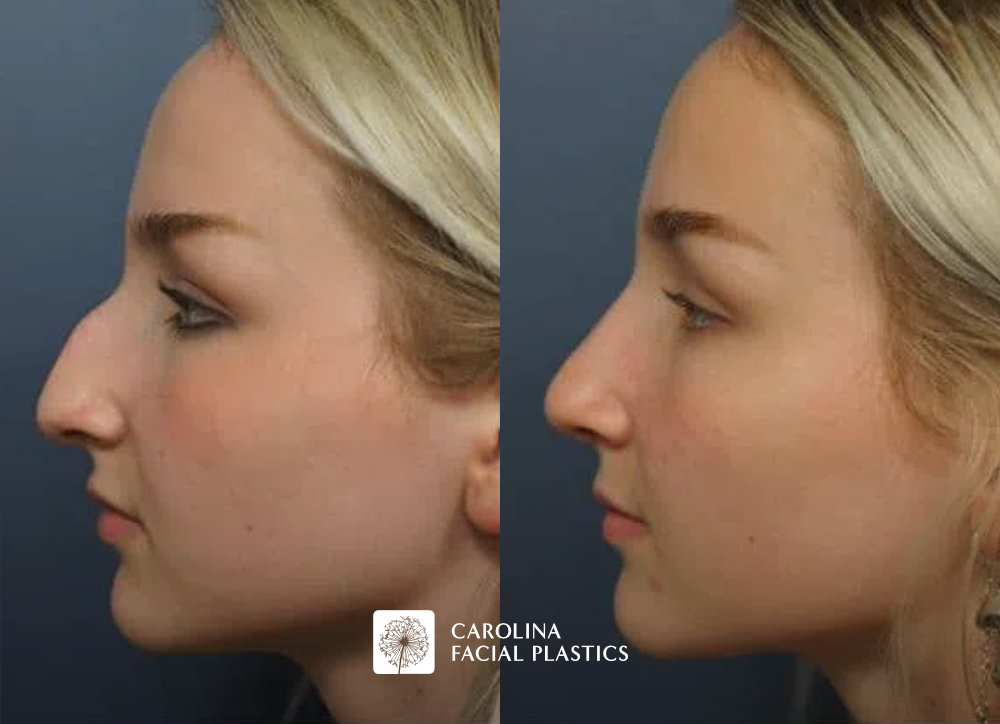
Credentials That Matter in Facial Plastic Surgery
At Carolina Facial Plastics, facial plastic surgery is led by Jonathan Kulbersh, MD, a double board-certified facial plastic surgeon with advanced training in otolaryngology, head and neck surgery, and facial plastic surgery. His background reflects a deep commitment to precision, safety, and natural outcomes, supported by extensive experience with both primary rhinoplasty and revision rhinoplasty, including complex cases requiring cartilage grafts and structural reconstruction.
As a protégé of world-renowned facial plastic surgeons, including Paul Nassif of Botched and a recognized leader in the field, Dr. Kulbersh has earned repeated national and regional honors, including RealSelf Hall of Fame recognition, Castle Connolly Top Doctor distinction, and multiple Best Facial Plastic Surgeon awards in Charlotte. This level of training and recognition directly supports consistent, high-quality rhinoplasty results and long-term patient satisfaction.

Preparing for a Rhinoplasty Consultation
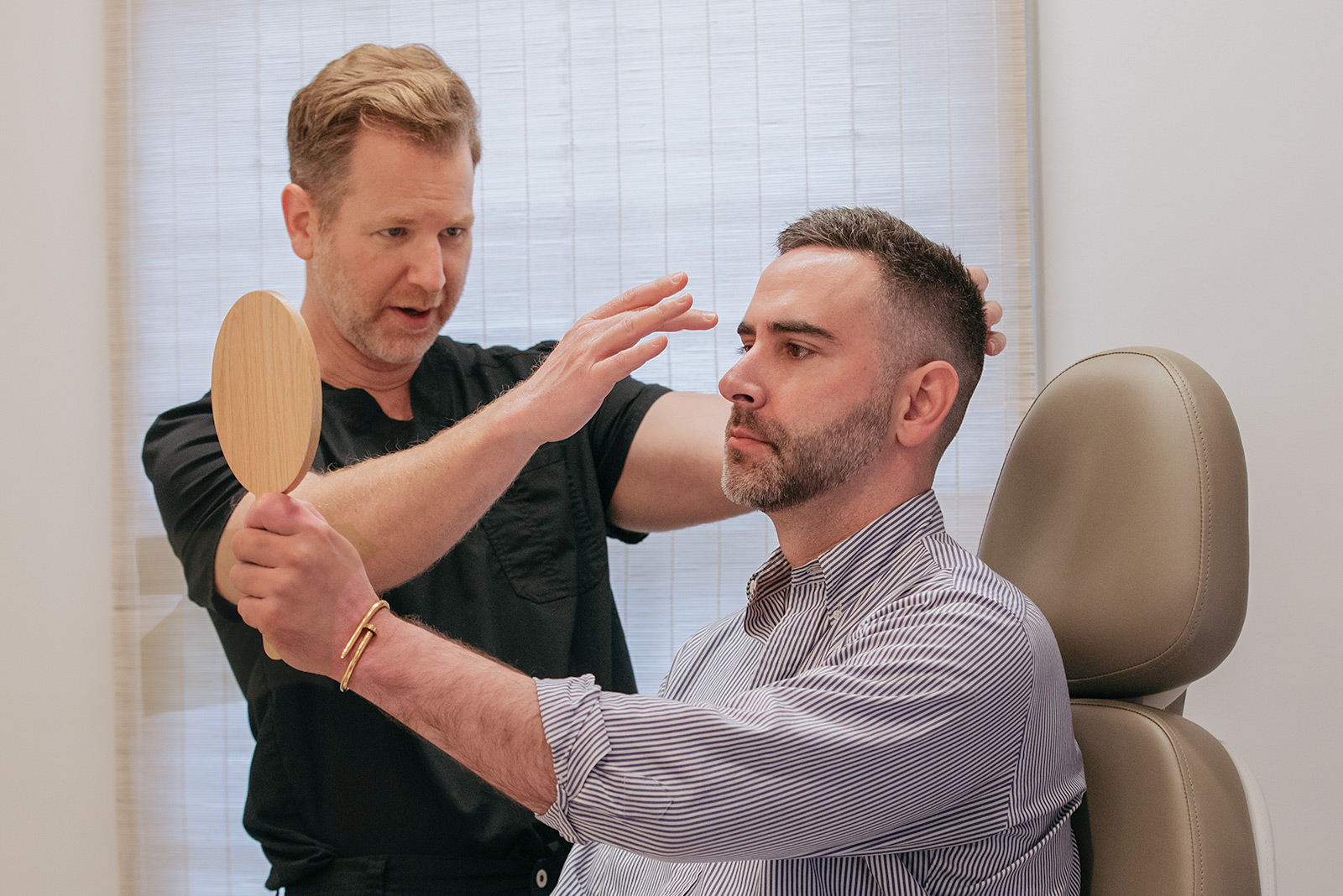
A productive consultation begins with clear communication. Patients are encouraged to define their aesthetic goals, bring reference photos, and discuss specific cosmetic concerns. Imaging technology can help visualize and communicate surgical outcomes, thereby aligning expectations.
During this time, anesthesia and surgical location at our office are reviewed. The surgical approach, recovery period, and expected timeline are discussed in detail. Cost estimates, financing options, and scheduling considerations are addressed to ensure patients are informed and confident as they move forward.
Rhinoplasty Techniques and Surgical Approaches
Rhinoplasty surgery may be performed using open or endonasal techniques. Open rhinoplasty involves a small external incision that allows direct access to nasal anatomy, while endonasal rhinoplasty places incisions inside the nose.
Cartilage grafts are often used to reinforce nasal structure, straighten the nose, support the nasal tip, and correct nasal valve collapse. Osteotomy techniques reshape the nasal bones, while precise contouring improves nasal form. Each procedure is selected based on several factors, including nasal anatomy, skin thickness, and aesthetic goals.
Septorhinoplasty and Functional Correction
Septorhinoplasty combines rhinoplasty with the correction of a deviated septum. This approach benefits patients experiencing nasal obstruction, nasal collapse, or breathing problems. By addressing both nasal form and nasal function, septorhinoplasty helps patients breathe more comfortably while achieving cosmetic refinement.
Many patients notice meaningful improvement in nasal breathing once structural support is restored. Documenting functional progress is an important part of evaluating rhinoplasty results.
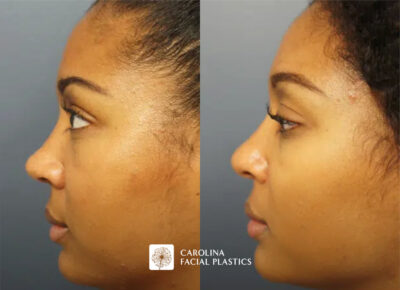
Ethnic Rhinoplasty Considerations
Ethnic rhinoplasty focuses on preserving identity while enhancing balance and nasal function. Differences in nasal anatomy, cartilage strength, and skin thickness require carefully selected techniques. The goal is a natural appearing nose that respects heritage and complements other facial features.
Experienced rhinoplasty surgeons understand how to refine nasal shape without altering defining characteristics. Thoughtful planning supports both cosmetic and functional success.
Postoperative Timeline and Final Results
During the first week, swelling and congestion are common. Over several weeks, the nose gradually refines as tissues settle. While early changes are visible, final results may take up to one year to fully develop.
Patients considering revision rhinoplasty are encouraged to allow sufficient time for healing, unless complications arise. Patience plays a key role in achieving optimal rhinoplasty results.
Understanding the Recovery, Aftercare, and Patient Safety
After rhinoplasty surgery, patients receive thorough, easy-to-follow aftercare guidance to support healing and long-term results. During the initial recovery phase, keeping the head elevated, particularly throughout the first week, helps reduce swelling and minor bruising while promoting comfort. Activity restrictions are carefully outlined to protect healing tissues and support a steady, uncomplicated recovery period.
To further enhance patient safety and peace of mind, Jonathan Kulbersh, MD, offers recovery support through the Fairview Recovery Retreat. This private recovery retreat allows patients to rest in a serene, monitored environment immediately following surgery, reducing stress and eliminating many common recovery concerns. Follow-up visits remain a critical part of care, allowing surgeons to monitor healing, manage splints and wound care, and guide patients as they gradually return to daily activities with confidence.
Managing Expectations Through Communication
At Carolina Facial Plastics, Jonathan Kulbersh emphasizes clear, ongoing communication before, during, and after the rhinoplasty procedure. Through detailed consultations, advanced imaging, and thoughtful discussion, patients and the surgeon work together to align aesthetic goals, functional priorities, and realistic expectations.
This supportive approach continues throughout recovery, helping patients understand healing timelines, anticipate changes, and feel confident at every stage. Education and informed consent remain essential components of facial cosmetic surgery, ensuring patients feel guided, prepared, and fully supported from start to finish.
Rhinoplasty Cost, Insurance, and Practical Preparation
While insurance coverage may apply when nasal surgery is performed to correct a deviated septum or improve breathing, the focus of preparation extends well beyond financial considerations. During your consultation, our team works closely with you to create a detailed and personalized plan that addresses surgical preparation, recovery needs, and postoperative support.
Rhinoplasty in Charlotte for Balanced Facial Refinement and Lasting Confidence
Rhinoplasty is a highly specialized procedure that blends cosmetic refinement with functional improvement. When performed by experienced facial plastic surgeons, rhinoplasty surgery enhances facial balance, supports healthy nasal breathing, and delivers a natural result that feels authentic to the individual.
At Carolina Facial Plastics, patients benefit from advanced expertise, thoughtful planning, and a commitment to refined outcomes. For those seeking care from the best rhinoplasty surgeons, a personalized consultation is the first step toward achieving confident, natural results.
Take the next step toward choosing a plastic surgeon in Charlotte who prioritizes precision, safety, and your long-term satisfaction.
