Rhinoplasty FAQs: Common Questions About Nose Surgery Answered
1. What Is Rhinoplasty?
Rhinoplasty, commonly known as a nose job, is a surgical procedure that changes the nose’s size, shape, or structure to address cosmetic concerns or functional problems. It can improve features such as a prominent nasal hump, a wide bridge, a bulbous tip, crooked nasal bones, or asymmetrical nostrils. Depending on the patient’s needs, rhinoplasty may involve reshaping bone, modifying cartilage, or repositioning internal nasal structures.
Some patients undergo surgery primarily to improve their appearance, while others seek correction of structural problems that interfere with breathing. The procedure can also address several concerns during one operation, depending on the complexity of the nasal anatomy. At Carolina Facial Plastics in Charlotte, NC, double board-certified facial plastic surgeon Jonathan Kulbersh, MD, performs rhinoplasty with an emphasis on natural-looking results and maintaining proper nasal function.
2. How Much Is a Rhinoplasty?
Rhinoplasty costs vary based on the surgery’s complexity, the surgeon’s experience, and the specific changes needed to achieve the desired results. Rhinoplasty pricing generally includes the surgeon’s fee, anesthesia, operating facility expenses, and other associated surgical costs. Procedures requiring significant structural reconstruction or correction of previous nose surgery may involve additional expenses. In Charlotte, NC, patients should request a complete cost breakdown to understand which services are included in their surgical estimate. During a consultation at Carolina Facial Plastics, Dr. Kulbersh evaluates the patient’s nasal anatomy and surgical goals, then provides an individualized treatment plan and pricing information.
3. How Long Does Rhinoplasty Take to Heal?
Initial rhinoplasty recovery generally takes 1 to 2 weeks, though complete healing and final results can take 12 months or longer. During the first week, patients commonly experience swelling, bruising, nasal congestion, and mild discomfort as the tissues begin healing. Most visible bruising improves within approximately two weeks, allowing many patients to return to their usual social activities. However, residual swelling can persist for several months, especially around the nasal tip, where tissue changes become noticeable more gradually. Patients with thicker nasal skin or those undergoing revision rhinoplasty may need more time for swelling to fully resolve. Following your surgeon’s postoperative instructions, attending scheduled appointments, and protecting your nose from injury help support proper healing.
4. Should I See an ENT or a Facial Plastic Surgeon?
An ENT specialist and a facial plastic surgeon can both treat nasal conditions, but the right choice depends on whether your main concern is breathing, appearance, or both. An ENT, or otolaryngologist, commonly diagnoses and treats nasal obstruction, sinus conditions, and other disorders affecting the ears, nose, and throat. A facial plastic surgeon with specialized rhinoplasty training focuses on reconstructing and reshaping nasal structures while considering cosmetic appearance and breathing function.
For patients interested in changing their nose shape, choosing a surgeon with extensive rhinoplasty experience is especially important. Some facial plastic surgeons, including Dr. Jonathan Kulbersh, are double board-certified in otolaryngology and facial plastic and reconstructive surgery, giving them expertise in both nasal function and aesthetics. During your consultation, ask about the surgeon’s training, rhinoplasty experience, and approach to addressing your specific concerns.
5. Can Surgery Correct Changes Caused by a Broken Nose?
Yes, rhinoplasty can correct many cosmetic and structural changes caused by a broken nose, including a crooked bridge, nasal asymmetry, and breathing difficulties. A nasal fracture can shift the nasal bones, damage cartilage, or cause a deviated septum that restricts airflow. When an injury heals in an abnormal position, reconstructive rhinoplasty may be necessary to restore the alignment and support of the nasal structures. Depending on the extent of the damage, surgery may involve repositioning nasal bones, repairing cartilage, or correcting internal nasal obstruction. Surgery can improve even injuries from years ago, though available corrections depend on the patient’s anatomy and scar tissue. Dr. Kulbersh evaluates the nose’s external appearance and internal structure to determine the right surgical approach for patients with prior nasal injuries.
6. What Should I Ask at My Rhinoplasty Consultation?
Your rhinoplasty consultation should address your surgical goals, the surgeon’s experience, realistic results, recovery expectations, and potential complications. Ask whether your desired changes are achievable given your nasal anatomy and whether surgery could affect your breathing. Also ask to review before-and-after photos of patients who underwent similar procedures and to discuss how the surgeon approaches different nose shapes. Patients should understand whether an open or closed rhinoplasty is recommended, why that technique is appropriate, and what limitations may apply. Additional questions should cover anesthesia, recovery restrictions, total surgical costs, and the possibility of needing revision surgery. At Carolina Facial Plastics, Dr. Kulbersh uses the consultation to evaluate your concerns, explain the recommended surgical approach, and help you make an informed decision about rhinoplasty.
7. How Much Time Should I Take Off Work After Rhinoplasty?
Most rhinoplasty patients should plan to take approximately one to two weeks off work, depending on their job responsibilities and the extent of surgery. During the first several days, swelling, congestion, and fatigue can make it uncomfortable to return to normal activities. Patients who work remotely or have desk jobs may feel ready to resume light responsibilities sooner than those whose jobs require physical exertion. Many patients have their external nasal splint removed around one week after surgery, although some swelling and bruising may still be visible. Jobs involving heavy lifting, strenuous activity, or a risk of facial injury generally require a longer recovery period and clearance from the surgeon. Planning enough time off work lets you attend follow-up appointments and avoid activities that could interfere with healing.
8. How Is Revision Rhinoplasty Different from a First Nose Job?
Revision rhinoplasty corrects cosmetic or functional concerns after a previous nose surgery, while primary rhinoplasty is the initial procedure. A secondary operation is often more technically demanding because the original surgery may have changed the nasal anatomy or created internal scar tissue. In some cases, surgeons must reconstruct previously removed or weakened cartilage to restore support and improve the nose’s shape. Surgeons may need cartilage grafts from the nasal septum, ear, or rib when the nose no longer has enough cartilage. Revision rhinoplasty also requires careful consideration of skin quality, scar tissue, and limitations from the previous procedure. Dr. Kulbersh performs revision rhinoplasty in Charlotte to address concerns such as nasal asymmetry, irregular contours, breathing problems, and unsatisfactory results from earlier surgery.
9. Can I Improve My Breathing and Change the Shape of My Nose During the Same Surgery?
Yes, patients can often improve nasal breathing and change the external appearance of their nose during the same surgical procedure. This combined approach, known as septorhinoplasty, addresses both functional nasal obstruction and cosmetic concerns. Structural problems such as a deviated septum, weakened nasal valves, or displaced cartilage may contribute to breathing difficulties and require correction. During surgery, the surgeon can improve airflow while also refining features such as the nasal bridge, tip, or overall alignment. Combining these corrections may let patients complete one operation and recovery period instead of scheduling separate procedures. A comprehensive nasal examination helps determine which structural issues affect breathing and which cosmetic changes can be safely performed at the same time.
10. What Is the Difference Between Rhinoplasty, Septoplasty, and Septorhinoplasty?
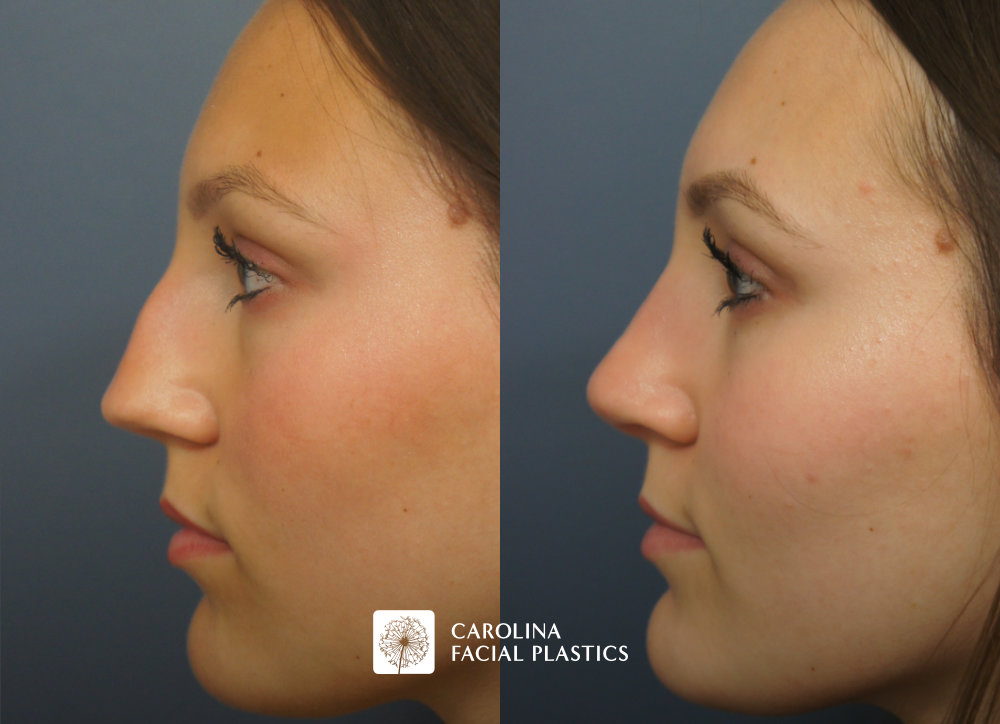
Rhinoplasty, septoplasty, and septorhinoplasty are different nasal surgeries designed to address cosmetic concerns, breathing problems, or both. Rhinoplasty primarily reshapes the external nose by modifying bone and cartilage to improve its size, contour, or alignment. Septoplasty corrects a deviated nasal septum, the internal wall separating the nostrils, to improve airflow without intentionally changing the outside appearance. Septorhinoplasty combines these surgical techniques to correct internal structural problems while modifying the external nasal shape. For example, a patient with a crooked nose and difficulty breathing may benefit more from septorhinoplasty than from cosmetic rhinoplasty or septoplasty alone. The best procedure depends on the patient’s symptoms, anatomy, and desired improvements, which a qualified nasal surgeon evaluates during a consultation.
11. Can a Rhinoplasty Make a Wide Nose or Wide Nostrils Narrower?
Yes, rhinoplasty can narrow a wide nasal bridge, refine a broad nasal tip, and reduce nostril width through different surgical techniques. When the nasal bones contribute to excessive width, the surgeon may reposition them to create a narrower bridge. A wide or bulbous nasal tip may require cartilage reshaping or structural support to achieve improved definition. Patients concerned primarily about wide nostrils may benefit from alarplasty, a surgical technique that reduces the width of the nostril base. These procedures can be performed individually or combined, depending on which anatomical features contribute to the overall nasal width. At Carolina Facial Plastics, Dr. Kulbersh evaluates bone structure, cartilage, skin thickness, and breathing function to determine which nostril reduction techniques are appropriate.
12. How Does Thick Skin Affect the Results of Rhinoplasty?
Thick nasal skin can affect rhinoplasty results by obscuring how clearly changes to the underlying bone and cartilage show through the skin. Patients with thicker skin may notice less visible tip definition, even when the surgeon successfully reshapes the supporting cartilage. This skin type can also retain swelling longer, particularly around the nasal tip, which may delay the appearance of final results. Surgeons may use structural cartilage grafts or specialized refinement techniques to provide additional support and improve nasal contours. However, excessive tissue removal or overly aggressive narrowing can compromise nasal support and may not produce the desired appearance. An experienced rhinoplasty surgeon considers skin thickness during surgical planning and explains how it may affect achievable results and the recovery timeline.
13. What Is the Difference Between an Open and Closed Rhinoplasty?
The main difference between open and closed rhinoplasty is where the surgeon places the incisions and how they access the underlying nasal structures. Open rhinoplasty involves a small external incision across the columella, the strip of tissue separating the nostrils, along with internal incisions. This approach provides greater visibility of the nasal framework and may be preferred for complex structural corrections, significant tip reshaping, or revision surgery. Closed rhinoplasty uses incisions entirely inside the nostrils, avoiding an external incision while allowing selected changes to the bone and cartilage. Although the closed technique may involve less tissue dissection in certain cases, neither approach is automatically better or appropriate for every patient. Dr. Kulbersh determines whether open or closed rhinoplasty is recommended based on nasal anatomy, the procedure’s complexity, and the changes needed to achieve the surgical goals.
14. Can Rhinoplasty Preserve My Ethnic Features While Improving the Shape of My Nose?
Yes, ethnic rhinoplasty can refine specific nasal features while preserving the characteristics that contribute to a patient’s cultural identity and individual appearance. The procedure may address concerns such as a wide nasal bridge, a bulbous tip, a prominent dorsal hump, or broad nostrils without attempting to create a standardized nose shape. Patients from different ethnic backgrounds may have variations in skin thickness, cartilage strength, nasal projection, and other anatomical characteristics that influence surgical planning. An experienced surgeon considers these differences when selecting techniques to refine the nose while maintaining appropriate structural support. Open communication about which features you want to preserve and which you would like to change is essential during the consultation. Dr. Kulbersh offers ethnic rhinoplasty in Charlotte with an emphasis on respecting each patient’s preferences, natural anatomy, and desired improvements.
15. Can a Dorsal Hump Be Removed Without Changing the Tip of My Nose?
Yes, a dorsal hump can often be reduced or removed through rhinoplasty without intentionally changing the shape of the nasal tip. A dorsal hump is a raised area along the nasal bridge that develops from the underlying bone, cartilage, or both. During dorsal hump reduction, the surgeon reshapes these structures to create a straighter or more refined nasal profile. Depending on how much hump is removed, additional adjustments to the nasal bones may be necessary to maintain a stable, natural-looking bridge. Patients who are satisfied with their nasal tip can discuss preserving its existing shape, position, and projection during surgical planning. Dr. Kulbersh evaluates the relationship between the nasal bridge and tip to determine whether isolated hump reduction can achieve the patient’s goals without unnecessary changes to other nasal features.
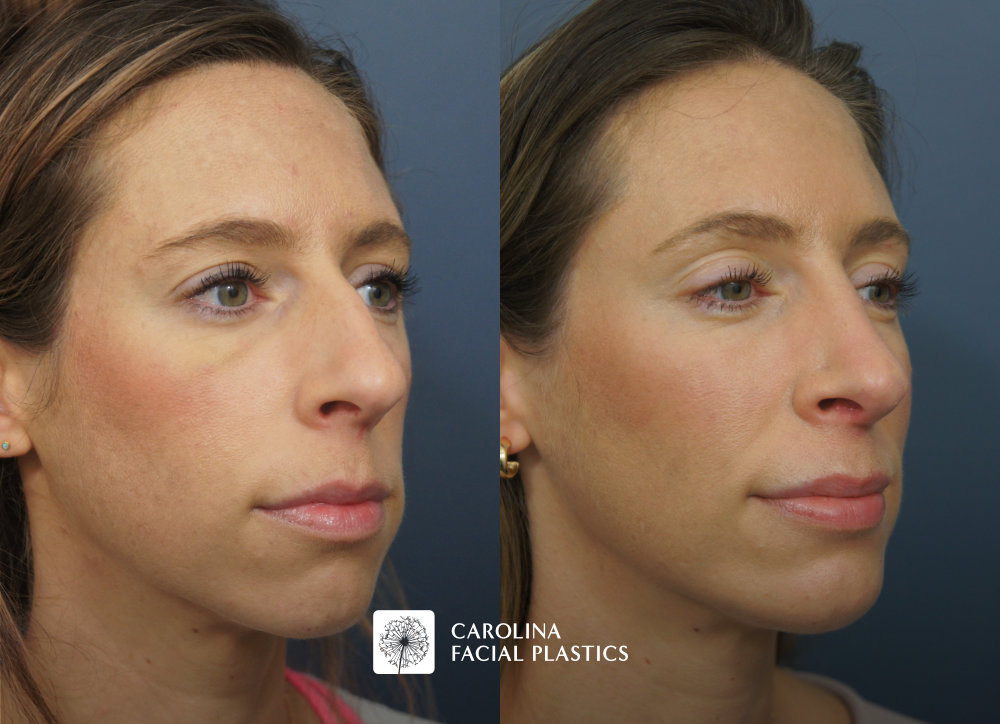

Jonathan Kulbersh, MD, is a double board-certified facial plastic surgeon and founder of Carolina Facial Plastics in Charlotte, North Carolina. With more than 20 years of experience, he specializes exclusively in cosmetic procedures for the face and neck, including rhinoplasty, facelift surgery, and blepharoplasty. Dr. Kulbersh is also recognized as a Castle Connolly Top Doctor.