The decision to move forward with nose surgery is rarely one-dimensional. For some individuals, the concern begins with appearance. For others, it starts with persistent breathing problems, discomfort, or ongoing sinus issues that affect daily life. In many cases, it is a combination of both. Understanding the distinction between procedures designed to improve function and those focused on refinement is essential when considering your options.
At Carolina Facial Plastics, Jonathan Kulbersh, MD, specializes in advanced rhinoplasty procedures, offering both cosmetic and functional solutions for patients seeking lasting results. Recognized as the #1 medspa and facial plastic surgeon in all of Charlotte by the BOB (Best of the Best) Awards, the practice is known for delivering exceptional outcomes through expertise in facial plastic surgery and patient-focused care.
With a focus on precision and individualized care, his approach to facial plastic surgery considers both the nose’s appearance and underlying functional issues, helping patients achieve greater comfort and a refined balance in their facial features.
Today, we will explore septorhinoplasty vs. rhinoplasty, helping you understand how each surgical procedure works, who it benefits, and what you can expect throughout the journey.
As we move forward, you will see how modern techniques can address both form and function, offering a more comprehensive solution for patients seeking long-term results.
Key Differences Between Septorhinoplasty And Rhinoplasty
When comparing septoplasty vs rhinoplasty or a combined approach, the key differences come down to purpose, structure, and outcome. While both involve nasal surgery, their goals are not always the same.
A traditional rhinoplasty is considered a facial plastic surgery procedure that reshapes the nose’s appearance and possibly improves the nasal function. This may include refining the nasal bridge, adjusting the tip, or correcting a crooked nose to better align with other facial features. It can be used to open areas of nasal congestion, such as a narrowed internal or external nasal valve, correct nasal collapse, or strengthen weak nasal cartilage. Many patients pursue a nose job to only improve aesthetic appearance and confidence.
On the other hand, septoplasty and functional rhinoplasty are designed to correct functional issues within the nasal structure, only attributed to a septal deviation. These procedures address concerns such as a deviated septum, restricted airflow, and breathing difficulties. In some cases, these functional concerns are present alongside cosmetic goals, which is where rhinoplasty and septoplasty are often combined.
Another important distinction involves the purpose of the procedure. Functional procedures such as septoplasty surgery are designed to improve breathing and nasal function by correcting structural concerns like a deviated nasal septum. Cosmetic rhinoplasty, on the other hand, focuses on reshaping and refining the appearance of the nose to enhance overall facial balance and profile aesthetics.
Recovery expectations also differ slightly. While both procedures involve a healing process, rhinoplasty recovery may take longer because of changes to the external structures, whereas septoplasty recovery often focuses on restoring nasal breathing and internal comfort.

Deviated Septum And Nose Function
At the center of many functional concerns is the nasal septum, a thin wall that separates the two nasal cavities and creates the two nostrils. When this structure becomes misaligned, it results in a septal deviation, also known as a deviated septum.
A deviated septum can be present from birth or develop after injury. Regardless of the cause, the impact on nasal function can be significant. Airflow becomes uneven, often leading to chronic nasal congestion, difficulty breathing, and disrupted sleep.
Patients frequently report:
- Persistent nasal congestion
- Recurring sinus infections
- Chronic sinusitis
- Snoring or even sleep apnea
- Ongoing breathing issues during physical activity
Over time, these symptoms can affect quality of life, making it essential to explore treatment options that restore proper airflow through the nasal passages.
Septoplasty: Correct A Deviated Septum And Restore Nose Function
For patients experiencing structural obstruction, septoplasty surgery is a targeted surgical procedure designed to correct a deviated septum and improve airflow.
During this surgical process, a qualified surgeon carefully repositions or removes portions of the misaligned cartilage and bone within the nasal structure. The goal is to create balanced airflow between the two nasal cavities, ultimately improving nasal function.
Septoplasty patients undergo general anesthesia for comfort. Because the incisions are internal, there are no visible external scars.
For many patients, septoplasty alone is sufficient when the concern is strictly functional. However, if there are visible irregularities in the nose’s shape, additional procedures may be recommended.
The septoplasty recovery timeline is relatively straightforward. Patients can often return to normal activities within a week, although mild swelling and congestion may persist during the early healing process. Over time, patients notice improved breathing and reduced chronic congestion.
Rhinoplasty: Cosmetic Procedure And Facial Plastic Surgery
Unlike septoplasty, rhinoplasty surgery is primarily a cosmetic procedure that enhances the external appearance of the nose. This form of nasal surgery focuses on reshaping the bone and cartilage to refine proportions and improve overall balance with other facial features.
While cosmetic rhinoplasty is often associated with improving facial aesthetics, it can also address structural concerns that affect airflow. In this way, it sometimes overlaps with functional rhinoplasty, especially when subtle adjustments to the nasal structure can enhance both appearance and breathing.
Patients considering a nose job for cosmetic reasons often want to refine the nose’s shape, improve symmetry, or better align the nose with other facial features. When performed within the scope of facial plastic surgery, these changes are carefully planned to complement the patient’s natural proportions.
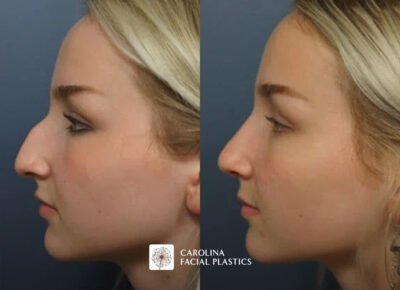
Functional Rhinoplasty: When Function Meets Aesthetics
For individuals who experience both cosmetic concerns and breathing difficulties, functional rhinoplasty offers a comprehensive solution. This advanced form of nasal surgery combines the goals of septoplasty and rhinoplasty into a single procedure.
Functional rhinoplasty specifically addresses functional issues such as nasal valve collapse, structural weakness, or a deviated septum, while also improving the nose’s appearance. Techniques may include cartilage grafting, structural reinforcement, and precise reshaping of the nasal structure.
This approach is especially beneficial for:
- Patients with prior trauma or previous surgery
- Individuals with both breathing problems and aesthetic concerns
- Those seeking functional improvements alongside cosmetic refinement
By addressing both internal and external concerns, functional rhinoplasty ensures that improvements in appearance do not compromise airflow. In fact, it enhances both nose function and visual balance.
Rhinoplasty And Septoplasty: Combining Procedures
In many cases, surgeons recommend rhinoplasty and septoplasty together to achieve optimal results. Combining these two procedures allows patients to address both structural and cosmetic concerns in a single operation.
The planning phase is critical. A skilled surgeon evaluates airflow, nasal cavities, and the overall nasal structure to develop a personalized surgical approach. The goal is to create a balanced outcome that supports both breathing and appearance.
For many patients, combining procedures reduces total downtime and avoids the need for multiple recoveries.

Rhinoplasty Recovery Vs Septoplasty Recovery: What To Expect
Understanding the recovery process is essential when comparing septoplasty vs rhinoplasty.
After septoplasty, patients typically experience mild discomfort, nasal congestion, and mild swelling. Internal soft nasal splints remain in the nose for 1 week to hold the nasal septum straight during the healing phase. The splints are not visible unless someone is looking inside of the nose. Breathing improvements often become noticeable as soon as the internal nasal splints are removed at 1 week after surgery. Individuals return to normal activities within 1-2 weeks.
Furthermore, rhinoplasty recovery involves visible swelling and bruising, especially around the eyes and nose. There will be internal splints as well as an external splint that remains on the nose for 1 week. While initial healing occurs within a few weeks, subtle refinements continue over several months. For this reason, most patients are advised to be patient as final results develop. In the following weeks after a rhinoplasty, these are the instructions:
1 week: Staycation at home
2nd week: Can be back in public. Go back to work and school. Light physical activity. Resume normal diet and supplements. Resume all normal medications, including ibuprofen and aspirin.
4th week: Blow your nose normally. Start strenuous exercise
6th week: May resume wearing glasses and sunglasses
To support the healing process:
- Keep the head elevated
- Avoid strenuous activity
- Follow all postoperative instructions
- Protect the nose from pressure
These steps help ensure both cosmetic and functional success.
How To Correct A Deviated Septum: Treatment Options
While surgery is often the most effective solution, not all cases require immediate intervention. Early treatment options may include medications to reduce inflammation and improve airflow.
However, when symptoms such as chronic nasal congestion, sinus infections, or persistent breathing issues continue, surgery becomes the recommended option to correct a deviated septum.
Additional procedures, such as turbinate reduction, may also be performed to further enhance airflow and reduce obstruction in the nasal passages.
Risks, Complications, And Expected Outcomes
Like any surgical procedure, both rhinoplasty and septoplasty carry some risks. Short-term effects may include swelling, minor bleeding, or temporary discomfort.
Long-term considerations can include:
- Persistent breathing difficulties if healing is incomplete
- Structural changes to the nasal structure
- The possibility of revision after previous surgery
That said, with an experienced and qualified surgeon, outcomes are typically highly successful. Patients often experience both improved function and a more refined aesthetic appearance.
Costs, Insurance, And Practical Considerations
Costs and practical considerations are an important part of planning for functional nasal surgery. During your consultation, Dr. Kulbersh can review your concerns, discuss treatment recommendations, and provide detailed pricing information so you understand what to expect before moving forward.
In contrast, cosmetic surgery such as rhinoplasty is self-funded. Costs can vary based on:
- Surgeon expertise
- Complexity of the surgical process
- Facility and anesthesia fees
It is always recommended to verify coverage, request detailed estimates, and understand all financial aspects before proceeding.
Choosing A Specialist in Facial Plastic Surgery
Selecting the right provider is one of the most important decisions you make on your journey. Look for a qualified surgeon with experience in both functional and cosmetic nasal surgery.
Review before-and-after cases, ask about outcomes, and ensure the surgeon specializes in procedures involving the nose and its surrounding structures. Expertise in facial plastic surgery ensures that both function and appearance are considered throughout the process.
What To Ask During Your Consultation
During your consultation, consider asking:
- Do you perform functional rhinoplasty, rhinoplasty, and septoplasty regularly?
- What results can I expect based on my current nasal structure?
- What will my rhinoplasty recovery timeline look like
- How do you approach revisions if needed
These questions help ensure clarity and confidence moving forward.

A Smarter Approach To Nose Surgery and Long-Term Results
Choosing between septoplasty vs. rhinoplasty ultimately depends on your goals. Whether you are seeking relief from breathing issues, improvement in the appearance of your nose, or both, today’s advanced techniques in nasal surgery offer effective, lasting solutions. Understanding the key differences between functional and cosmetic approaches allows patients to make confident, informed decisions about their care.
For most patients, the most successful outcomes of a nose surgery come from addressing both function and form together. Procedures such as functional rhinoplasty and combined rhinoplasty and septoplasty provide a comprehensive solution by improving breathing, restoring proper nasal structure, and refining the nose’s overall appearance. This integrated approach not only enhances comfort but also ensures that results complement surrounding facial features.
At Carolina Facial Plastics, Jonathan Kulbersh, MD, is known for delivering some of the best rhinoplasty in Charlotte, combining advanced surgical expertise with a deep understanding of both function and aesthetics. His approach to facial plastic surgery prioritizes precision, safety, and natural-looking results that support long-term satisfaction. Patients benefit from a thoughtful evaluation process, customized surgical planning, and a commitment to excellence at every stage of care.
If you are considering a nose job, now is the time to take the next step. A personalized consultation can help determine whether rhinoplasty surgery, septoplasty surgery, or a combined approach is right for you. With expert guidance, you can achieve improved breathing, refined structure, and results that feel both natural and balanced.
Schedule Your Consultation for Rhinoplasty in Charlotte Today
Take the next step toward expert care with Jonathan Kulbersh, MD, at Carolina Facial Plastics and discover how advanced techniques in rhinoplasty and functional rhinoplasty can deliver lasting, confidence-building results.