As collagen production slows with age, many men and women in their late 40s and 50s begin noticing fine lines, uneven skin tone, enlarged pores, and skin laxity that skincare products alone cannot fully improve. Consequently, non-surgical skin tightening treatments have become increasingly popular for restoring firmer, smoother, and more youthful-looking skin.
At Carolina Facial Plastics in Charlotte, advanced skin rejuvenation options such as RF microneedling, laser resurfacing, CoolPeel®/CO2, Virtue RF, and Sylfirm X® are designed to address various skin concerns while supporting natural-looking results.
When comparing laser skin resurfacing vs RF microneedling, RF microneedling is often preferred for gradual tightening and minimal downtime. However, laser resurfacing may deliver more dramatic results for deeper wrinkles, severe sun damage, and pigmentation concerns.
Although both treatments stimulate collagen production and improve skin texture, they work differently and target specific skin concerns in unique ways. Understanding the differences between microneedling and laser resurfacing can help you choose the right treatment for your skin goals, lifestyle, and recovery preferences.
Which is Better for Skin Tightening: RF Microneedling or Laser Resurfacing?
RF microneedling is often the better option for patients seeking gradual skin tightening with minimal downtime, especially for mild to moderate skin laxity, fine lines, enlarged pores, and acne scars. Laser resurfacing, however, may provide more dramatic improvement for deeper wrinkles, severe sun damage, and advanced texture concerns because it targets damaged skin cells more aggressively.
Both treatments stimulate collagen production and support firmer, smoother skin, but the right treatment depends on your skin type, recovery preferences, and overall skin goals. Patients with darker skin tones often benefit from RF microneedling due to its lower risk of pigmentation concerns, while laser resurfacing may be preferred for more significant correction and comprehensive skin rejuvenation.
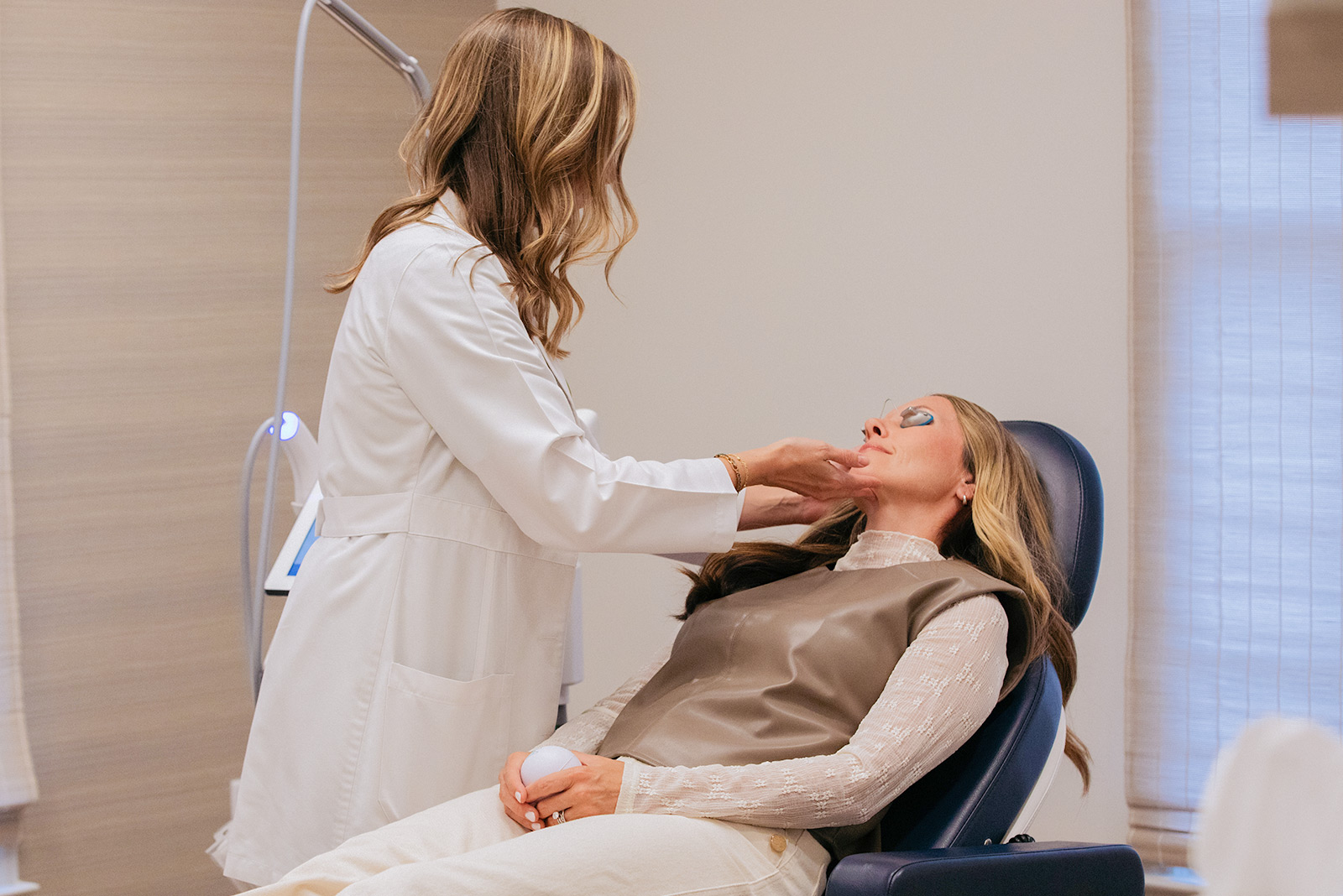
Laser Skin Resurfacing vs RF Microneedling for Skin Tightening and Wrinkles
Both laser skin resurfacing and RF microneedling are highly effective for non-surgical skin tightening, fine lines, and skin rejuvenation. However, the technology behind each treatment creates very different results and recovery experiences.
Microneedling creates controlled micro-injuries within the deeper skin layers using tiny needles. These controlled micro-injuries trigger the body’s natural healing process while boosting collagen production and elastin production. RF microneedling also delivers radiofrequency energy into deeper layers to tighten skin more effectively.
Laser resurfacing, on the other hand, uses focused light energy or heat to improve the skin’s surface while targeting deeper skin concerns. Depending on the laser therapy used, treatments can address deeper wrinkles, severe sun damage, and uneven skin texture more aggressively.

RF Microneedling Benefits for Mild to Moderate Aging Concerns
RF microneedling is commonly recommended for:
- Fine lines
- Enlarged pores
- Acne scars
- Uneven skin texture
- Mild skin laxity
- Dull skin
Because treatments stimulate collagen gradually, patients often notice continued improvement over time. Additionally, microneedling is considered a minimally invasive treatment with minimal downtime, making it appealing for busy patients.
Most patients need three to six microneedling treatments spaced four to six weeks apart for visible improvement.
Laser Resurfacing Benefits for Deeper Wrinkles and Sun Damage
Laser resurfacing may be better suited for:
- Deeper wrinkles
- Severe scarring
- Hyperpigmentation
- Uneven skin tone
- Significant sun exposure damage
Importantly, lasers can achieve more significant improvement in fewer sessions for deeper skin concerns. Ablative lasers remove the top skin layer for deeper treatment, while non-ablative lasers target deeper layers without heavily damaging the surface.
Furthermore, laser facials are particularly effective for treating fine lines, wrinkles, and pigmentation because they target deeper layers of the skin while improving overall skin rejuvenation.
Choosing Between RF Microneedling and Laser Resurfacing for Firmer, Younger Looking Skin
RF microneedling is often ideal for patients seeking gradual improvement with faster recovery and less downtime. In contrast, laser resurfacing may provide more dramatic tightening and resurfacing for advanced signs of aging.
The right treatment depends on:
- Skin concerns
- Skin types and skin tones
- Downtime preferences
- Severity of wrinkles or sun damage
- Long-term skin health goals
For many patients, microneedling vs. laser is not always an either-or decision. In some cases, combining microneedling and laser treatments can provide comprehensive skin rejuvenation by addressing both surface texture and deeper layers simultaneously.
Traditional Microneedling With PDGF for Gentle, Natural Looking Skin Rejuvenation
Additionally, patients who are beginning to notice early signs of aging may benefit from traditional microneedling with PDGF as a gentler approach to skin rejuvenation. While RF microneedling focuses primarily on skin tightening with radiofrequency energy, traditional microneedling stimulates the skin’s natural repair response to encourage collagen production and healthier-looking skin over time.
When combined with PDGF, the treatment can further support smoother skin texture, improved radiance, softer fine lines, and a refreshed appearance with minimal downtime. As a result, traditional microneedling is often a popular option for patients seeking gradual improvement and long-term skin health.
Although laser resurfacing and RF microneedling may be better suited for deeper wrinkles and more advanced skin concerns, traditional microneedling can be an excellent starting point for patients looking to maintain youthful-looking skin and boost collagen naturally.
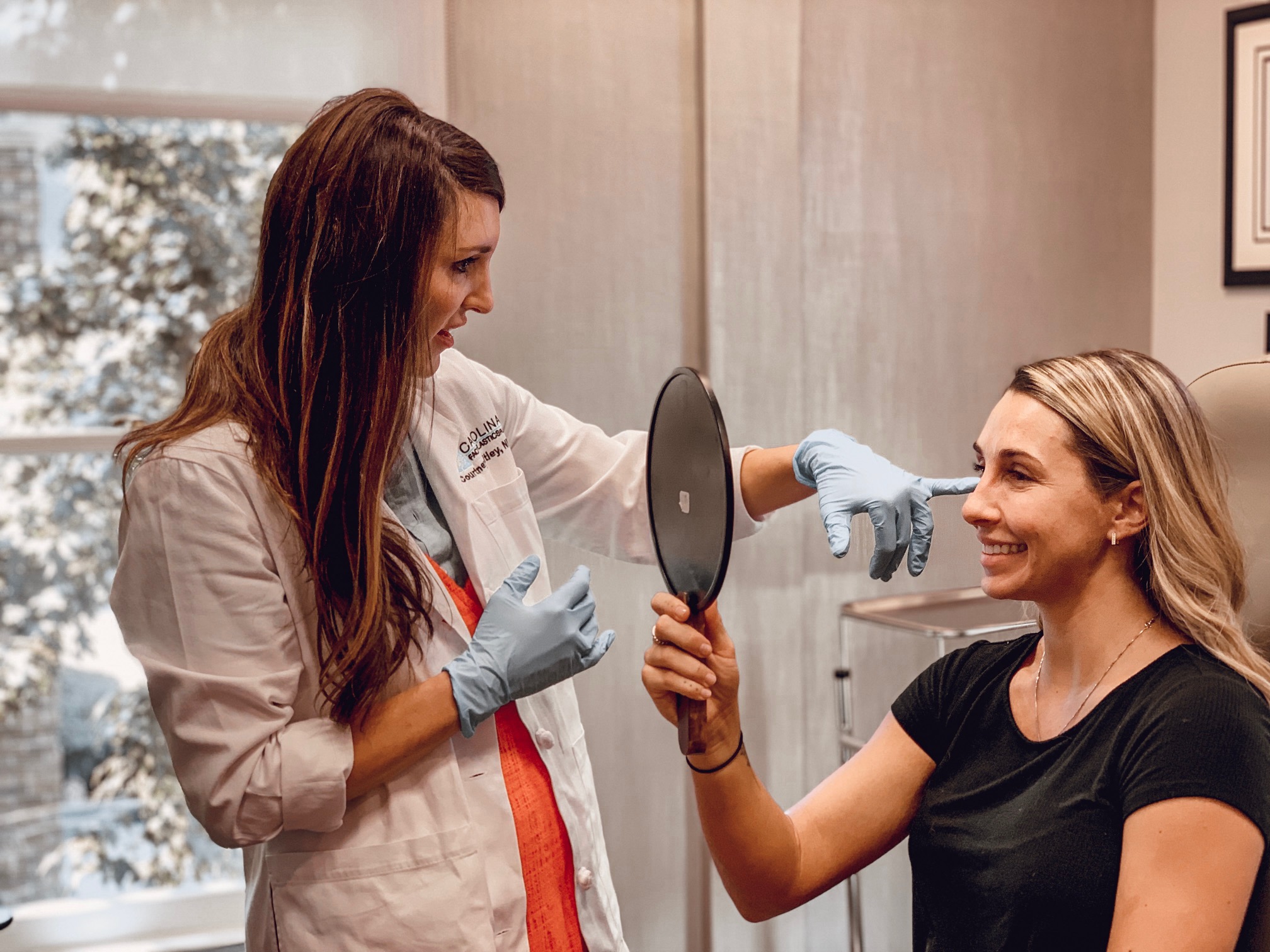
Laser Skin Resurfacing vs RF Microneedling for Acne Scars and Uneven Skin Texture
Acne scars and uneven texture are among the most common skin concerns treated with microneedling and laser resurfacing.
RF Microneedling for Acne Scars and Enlarged Pores
RF microneedling helps improve:
- Rolling acne scars
- Enlarged pores
- Mild redness
- Uneven texture
- Early signs of aging
Because sterile needles create controlled micro-injuries beneath the skin’s surface, collagen induction therapy can improve skin texture gradually while maintaining a more natural healing process.
Additionally, platelet-rich plasma is sometimes combined with microneedling to further support collagen production and skin repair.
Laser Resurfacing for More Advanced Texture Concerns
Laser treatments provide a more refined resurfacing effect by removing damaged skin cells and vaporizing dirt and bacteria within pores. Consequently, laser resurfacing is often more effective for severe texture irregularities and deeper scarring.
Lasers are also more effective for severe sun damage and deeper pigmentation than microneedling alone.
Laser Skin Resurfacing vs RF Microneedling for Hyperpigmentation and Darker Skin Tones
Skin tone is one of the most important factors to consider when selecting a skin treatment.
RF Microneedling for Melanin-Rich Skin
Microneedling is generally safe for all skin tones, including darker skin tones and darker skin types. Since the treatment works beneath the skin’s surface without heavily damaging pigment-producing cells, it carries a lower risk of pigmentation complications.
RF microneedling is commonly recommended for:
- Melanin-rich skin
- Uneven skin tone
- Mild discoloration
- Patients seeking minimal downtime
Laser Resurfacing Considerations for Darker Skin
Laser treatments can vary in safety depending on the type of laser used and the skin type being treated. Non-ablative lasers are often safer for darker skin because they heat deeper layers while preserving the skin’s surface.
For hyperpigmentation and dark spots, however, laser facials are typically more effective because they directly target excess melanin.
RF Microneedling vs Laser Resurfacing Recovery and Downtime
Downtime is another major factor when comparing lasers vs microneedling.
RF Microneedling Recovery Timeline
Microneedling recovery is generally faster than laser resurfacing recovery. Most patients experience:
- Mild redness
- Slight sensitivity
- Temporary tightness
Recovery usually lasts between 24 to 72 hours, allowing patients to resume normal activities quickly with only minor skincare restrictions.
Topical numbing cream is typically applied before treatment to improve comfort during the procedure.
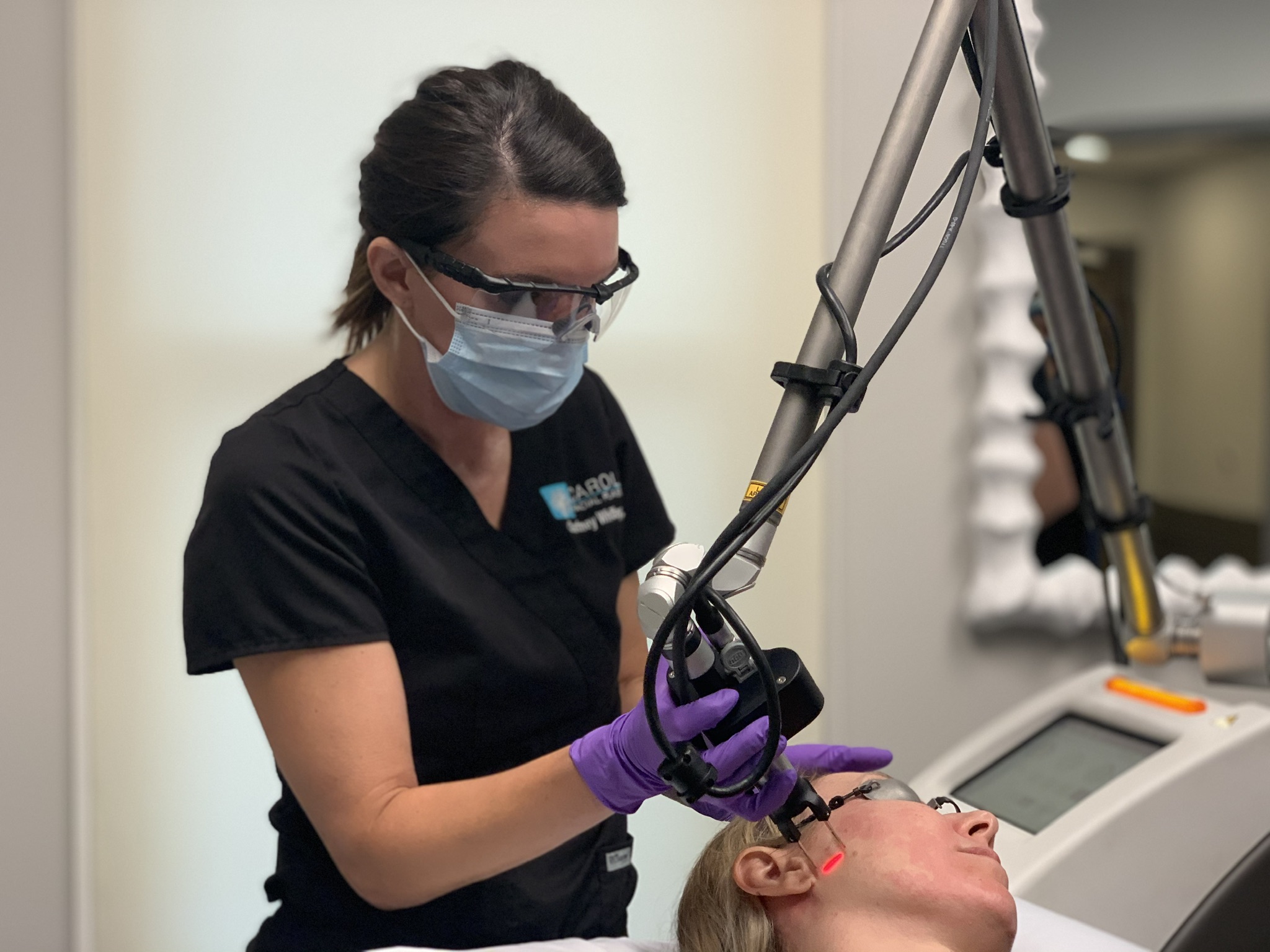
Laser Resurfacing Recovery Timeline
Laser resurfacing recovery can vary significantly depending on the intensity of the procedure. Laser treatments may result in:
- Redness
- Swelling
- Flakiness
- Temporary peeling
Additionally, ablative lasers may require 7 to 14 days of recovery for full healing. Although downtime is longer, laser resurfacing often produces more dramatic results for deeper wrinkles and severe sun damage.
Microneedling vs Laser Cost and Treatment Sessions
Treatment cost and the number of sessions needed can also influence the choice of treatment.
RF Microneedling Costs and Sessions
Microneedling typically ranges from $425 to $1,200 per session, depending on:
- Treatment area
- Whether platelet-rich plasma is included
Because collagen production develops gradually, most patients require a series of treatments for optimal results. At Carolina Facial Plastics, several flexible financial options are available, including the Beauty Bank membership program, which provides exclusive pricing on treatments, skincare, and more. This makes it easier for patients to invest in the smoother, firmer, and more confident-looking skin they have always wanted.
In addition, we also offer package and series pricing for microneedling and laser treatments, allowing patients to plan their care with greater ease. These options make it easier to stay consistent with treatment over time.
Laser Resurfacing Costs and Sessions
Laser treatments are generally more expensive upfront. However, lasers may achieve more noticeable improvement in fewer sessions, especially for severe scarring and advanced signs of aging.
Ultimately, laser treatments depend on the type of laser therapy, treatment intensity, and the depth of correction needed. Carolina Facial Plastics also offers flexible financing and membership options to help patients comfortably plan for advanced laser skin resurfacing in Charlotte while working toward their aesthetic goals.
Combining Microneedling and Laser Treatments for Skin Rejuvenation
In many cases, combining microneedling and laser resurfacing can improve overall results. While microneedling helps stimulate collagen production within deeper skin layers, laser treatments refine the skin’s surface and target pigmentation more precisely.
Microneedling and laser treatments may be recommended for:
- Fine lines
- Acne scars
- Uneven skin texture
- Sun damage
- Tighter skin
- Radiant skin
Targeted treatment plans are carefully customized to support long-term skin health while minimizing unnecessary downtime.
Choosing the Right Treatment for Younger-Looking Skin
Both RF microneedling and laser resurfacing offer powerful benefits for non-surgical skin tightening, smoother texture, and long-term collagen production. However, the best treatment depends on the severity of your skin concerns, your recovery preferences, and the type of results you hope to achieve.
RF microneedling is often an excellent choice for gradual improvement with minimal downtime, while laser skin resurfacing may provide more dramatic correction for deeper wrinkles, sun damage, uneven skin tone, and advanced texture concerns.
Carolina Facial Plastics was also voted the #1 MedSpa and Facial Plastic Surgery practice in Charlotte in the BOB Awards, reflecting its commitment to exceptional patient care and advanced aesthetic treatments.
At Carolina Facial Plastics, patients receive customized treatment plans designed to support natural-looking skin rejuvenation and healthier, firmer skin over time. From advanced RF microneedling technologies to laser skin resurfacing in Charlotte, every treatment is selected based on your skin type, aesthetic goals, and overall skin health.
Restore Smoother, Firmer, More Radiant Skin With Advanced Rejuvenation Treatments
If you are ready to improve wrinkles, skin laxity, acne scars, or uneven texture, schedule a consultation at Carolina Facial Plastics to discover whether RF microneedling or laser skin resurfacing in Charlotte is the right treatment for your skin goals.